
Stay Connected
Sign up to receive our newsletter straight to your mailbox.

Thank you! Your submission has been received!
Oops! Something went wrong while submitting the form.


Every relationship—at home, at work, or anywhere else—encounters tension. People misunderstand each other, get frustrated, or simply interpret situations differently. This doesn't mean the relationship is broken or malfunctioning; it just means human beings are involved.
When you understand why these moments happen, they stop feeling like problems you need to fix or evidence that someone—either you or the other person—is doing something wrong. Instead, they start to look like natural pressure points where a relationship is being asked to adapt, deepen, or evolve.
These challenges aren’t random. They come from predictable features of how humans think, feel, and interact.
There are three things you can’t change about being human in relationships — and one thing you absolutely can.
No two people experience the world in exactly the same way. You bring your own mix of culture, family history, personality, values, beliefs, and past relationships into every interaction. Everyone else does too.
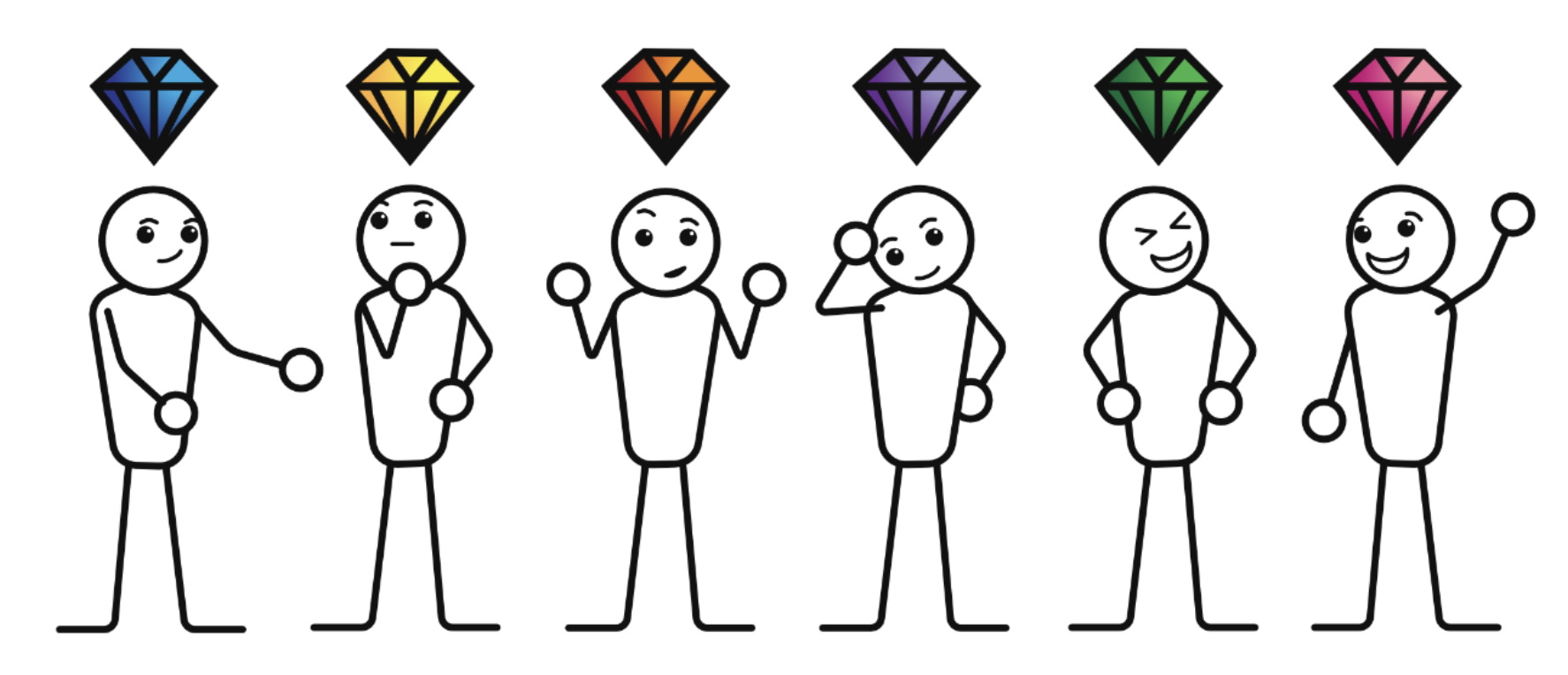
Because of that, what feels obvious or reasonable to you might feel confusing, uncomfortable, or even wrong to someone else. Your expectations about how things “should” go in a relationship are shaped by your relational history. Communication scholars describe this ongoing dynamic as a relational dialectic—paired forces like independence and connection, or similarity and difference, that are always present and never fully resolved.
These differences aren’t a problem. They’re what make relationships interesting, dynamic, and meaningful. At the same time, they guarantee that misalignment will show up. The very things that make each of you unique also make misunderstanding inevitable.
Humans are wired for connection. Your nervous system, emotional regulation, and ability to make sense of the world all developed in relationship with others. You depend on other people for safety, belonging, collaboration, and meaning. You cannot thrive in isolation.
Communication is how you coordinate this interdependence. But communication isn’t mind-reading. Language is imprecise, context-dependent, and open to interpretation. Even when you feel clear inside, your meaning still has to travel through words, tone, timing, and circumstance.
And because you don’t always want the same things at the same time, misunderstanding, disagreement, and conflict are inevitable. When you add the limits of language to the mix, it’s no surprise that tension shows up. This isn’t a failure of effort or goodwill. It’s how interdependent human systems work.
You know your own thoughts, emotions, and bodily sensations firsthand. You can only do that for yourself and not for any other person. You can guess, infer, or ask—but you never directly experience what’s happening inside others.
This means you’re always perceiving reality from your own point of view. You interpret other people’s words and behaviors through mental shortcuts, past experiences, and cognitive biases. It’s easy to assume intent, misread tone, or fill in gaps with stories that seem to fit but you haven’t confirmed.
The gap between your inner world and someone else’s is where misunderstanding happens. It’s not because you’re careless or insensitive. It’s because subjectivity is built into being human.
When you put these three together—difference, interdependence, and subjectivity—it makes sense why tension in relationships is inevitable. What you might experience as something going wrong is just the reality of being human in relation.
If the first three truths explain why relationships can be so challenging, this next one explains why they stay that way for so many of us.
This is the part you can change.
Most people were never systematically taught how relationships actually work or how to communicate under real-world conditions like emotion, difference, and uncertainty. Instead, you probably absorbed know-how from examples around you.
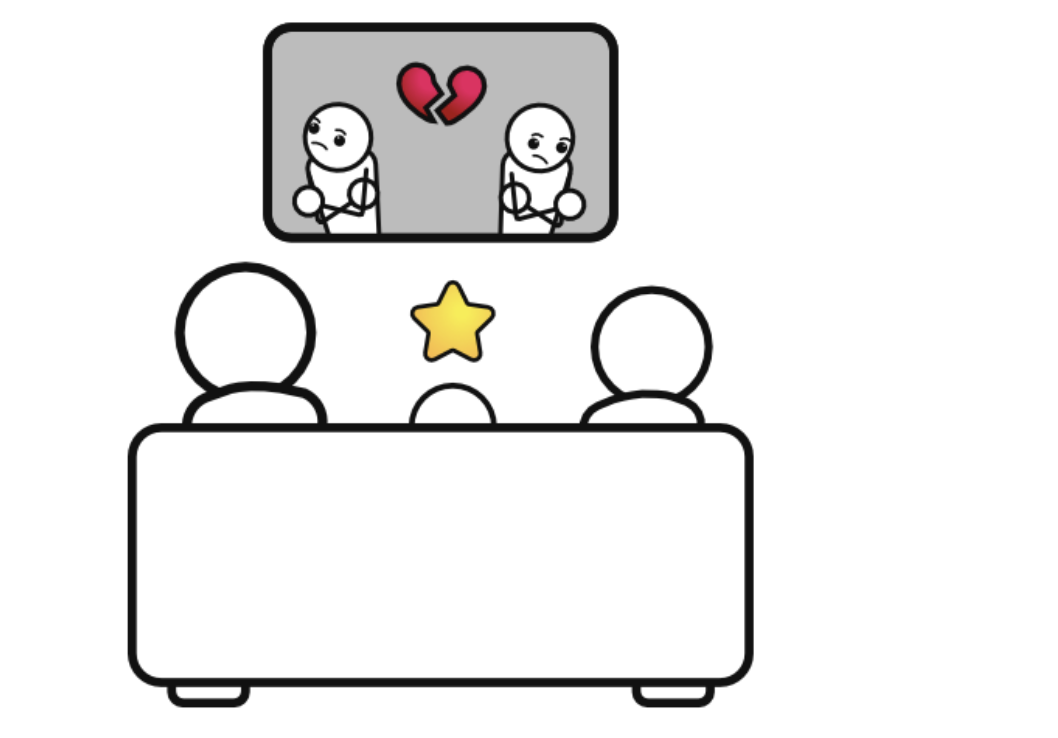
When we were very young, with nothing else to compare our experience to, most of us naturally assumed our parents knew everything. It usually takes a while to realize they were never “perfect,” just humans doing the best they could.
As children we observed other kids and the adults around us. The cues and behaviors we picked up were inconsistent, incomplete, and sometimes entirely unhelpful.
Most of us learned about relationships in the wider world through media, like TV, movies, and the internet, long before we had the discernment to sort healthy portrayals from the dysfunctional ones—and these examples were often poorly suited to adult realities.
Schools rarely teach communication, emotional awareness, or conflict navigation, even though research shows these skills can be learned and that they make a measurable difference in collaboration, leadership, and teamwork.
That’s why so many thoughtful, capable people still find relationships confusing or frustrating. It’s not about intelligence or good intentions. It’s about not having had the right kind of relational education.
This is the domain of MetaRelating: a practical approach for turning tension into fuel for growth.
Any approach that actually helps you improve relationships has to work with the three unchangeable realities, not against them.
It has to engage difference without trying to erase it.
It has to support interdependence without requiring constant agreement.
It has to honor subjectivity without slipping into assumption or projection.
Think about a recent moment when you felt misunderstood—or thrown off by how someone reacted to something you said or did. That moment doesn’t automatically mean the interaction failed. It contains information about things like expectations, values, boundaries, or unmet needs. When you know how to work with that information, it can deepen connection or improve collaboration rather than derail it.
Consider a simple example.
You send your manager a detailed project proposal. In response, you receive a short, direct email. You immediately interpret the brevity as criticism, assuming they’re unhappy or unimpressed. This is subjectivity at work, shaped by past experiences, personal expectations, and cognitive bias.
Without relational skills, you might withdraw, become defensive, or quietly rework the proposal based on that assumption.
With relational education, you can respond differently. Instead of reacting to the story you’ve created, you pause and check your interpretation. You send a brief, low-stakes follow-up:
“I noticed your reply was short. I’m following up to check whether there’s anything specific you’d like me to address, or if perhaps you’re tied up right now.”
That small move can bypass assumptions, invite clarity, and reveal a much simpler explanation—like a packed schedule—transforming what could have become lingering friction into a moment of alignment.
Once you understand these underlying dynamics, interpersonal challenges start to look different. They’re no longer proof that something is wrong with you or the other person. They become signals pointing to where learning and growth are possible.
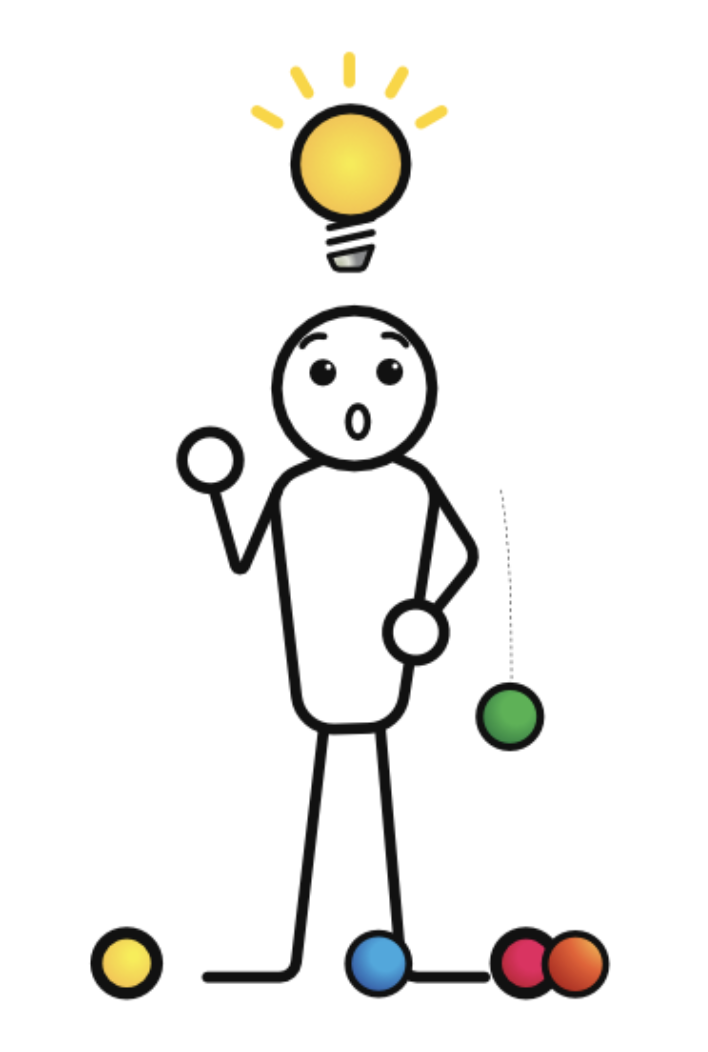
Learning relational skills doesn’t make tension, difference, misunderstanding, or conflict disappear. It changes how you meet those realities. The same forces that make relationships difficult can become sources of depth, creativity, and resilience when you know how to engage them well.
That’s the shift relational education makes possible. And that’s exactly what MetaRelating is designed to offer.
MetaRelating teaches practical, learnable skills for working with the real dynamics of human relationships—the inevitable difference, interdependence, and subjectivity. Instead of trying to eliminate tension, it helps you use these moments as fuel for growth, creativity, and understanding. Learning MetaRelating won’t make relationship issues disappear, but it will make your relationships richer and more resilient.
