
Stay Connected
Sign up to receive our newsletter straight to your mailbox.

Thank you! Your submission has been received!
Oops! Something went wrong while submitting the form.


Most of us recognize that the quality of our relationships has a real impact on how life feels from the inside. When our connections are strong, our minds are clearer, we feel more at ease, and our experiences together flow more smoothly. When it’s strained, attention narrows and effort increases.
These dynamics do not stop at the office door. They scale.
When the patterns we experience one-on-one are multiplied across an organization, they become more consequential. The forces that influence trust between two individuals are the same forces that affect how information flows, how decisions are made, how negotiations unfold, and whether people speak honestly when it matters.
Most of us know this firsthand when we note how some meetings are productive while others feel constrained. It explains how alignment stalls despite intelligence and effort, and why capable people disengage, not from a lack of skill, but because the climate makes certain risks feel unsafe or just not worth the trouble.
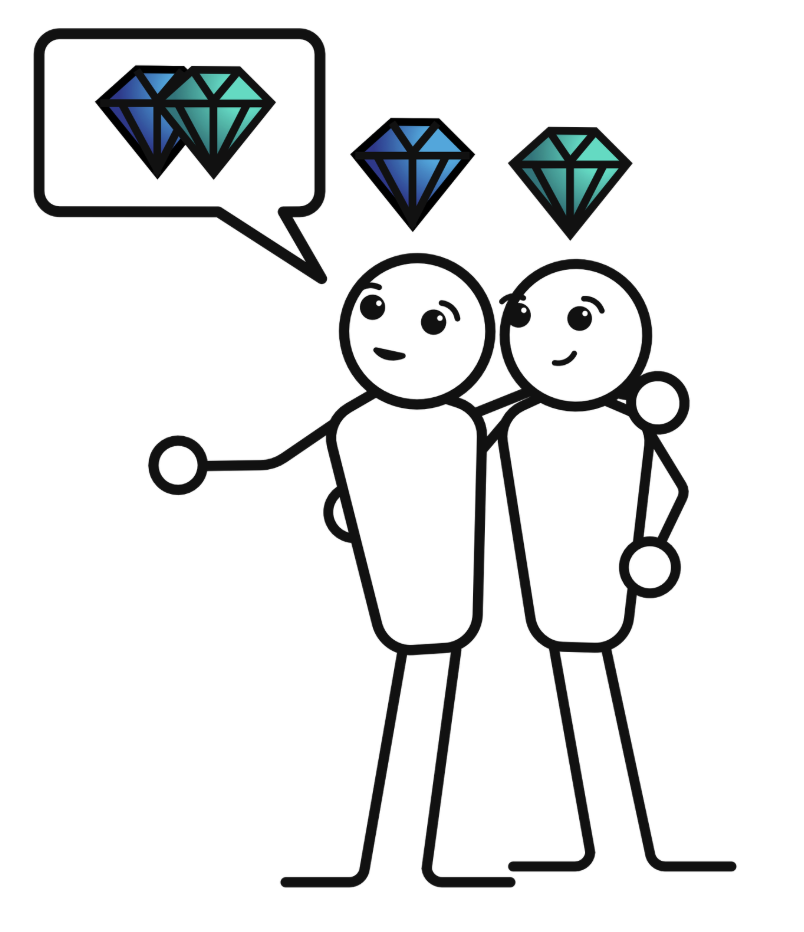
In healthy relational environments, coordination is fluid. Assumptions are checked, expectations clarified. Concerns surface while they are still workable. Learning happens in real time, building trust and enabling teams to adapt. This generates team flow—ideas move freely, coordination becomes effortless, and collective intelligence amplifies rather than exhausts those involved.
In strained environments, the opposite occurs. Conversations stay on the surface. Critical questions go unasked. Decisions move forward without shared understanding. This doesn't just slow productivity—it makes people guarded and cautious about where and how they invest their energy.
If this sounds like work as you’ve lived it, organizational research agrees.
Studies on psychological safety—the shared belief that a team is safe for interpersonal risk-taking—show that when people can speak up, admit mistakes, and share ideas without fear, innovation, effectiveness, and well-being increase.
Relational coordination research demonstrates how shared goals, shared knowledge, and mutual respect, supported by frequent, efficient communication, determine execution quality across roles, functions, and organizational boundaries.
We’ve long had everyday language pointing to this dichotomy. Sometimes many hands make light work. Other times, too many cooks spoil the broth. Most of us can recall situations where we’ve experienced one or the other.
The difference isn't the number of people involved or their level of commitment. It’s how people relate while they’re working together—how they clarify misunderstandings, coordinate their efforts, restore alignment, and move forward. When these are working well, effort amplifies results. When they aren’t, even simple work becomes a burden.
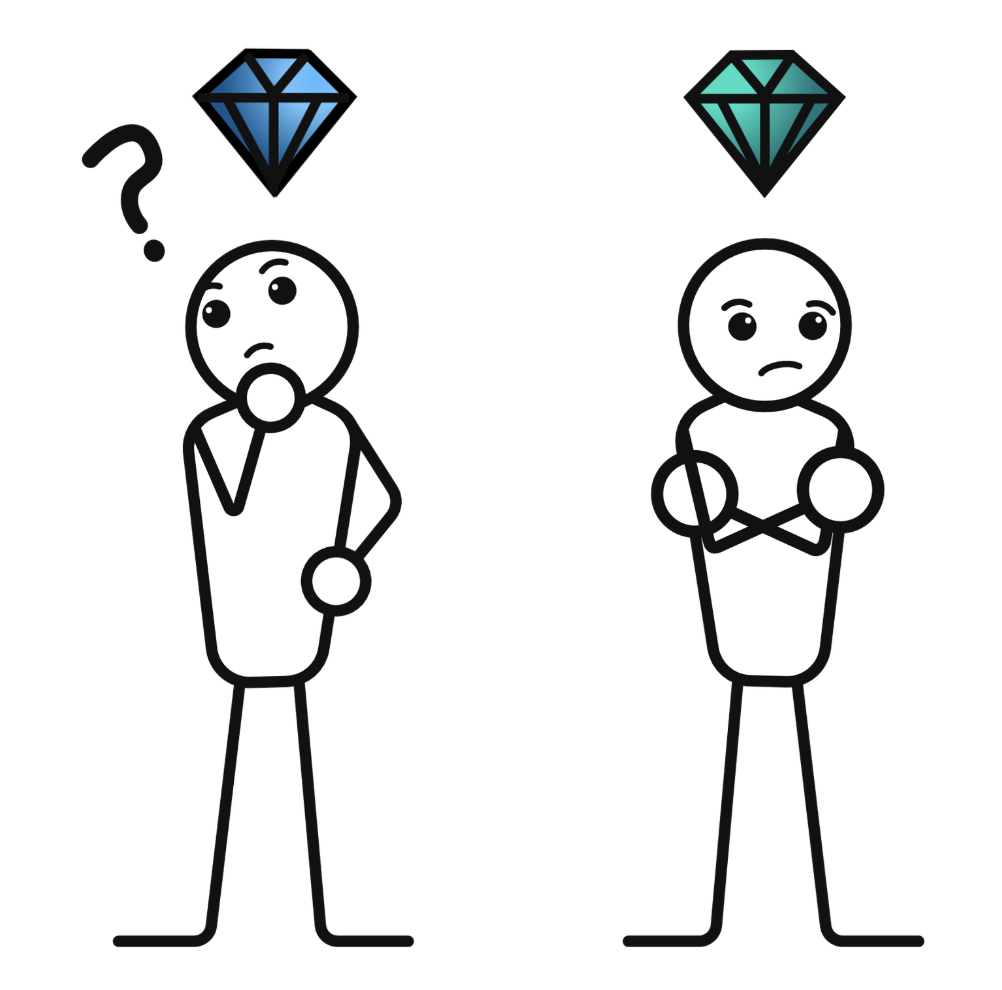
Research on workplace conflict consistently shows that unresolved interpersonal tension creates a massive drag on organizational performance. The Workplace Peace Institute reports that U.S. employers lose an average of over $3K per employee annually in productivity due to conflict. The Myers-Briggs Company found that the average employee now spends over four hours per work week navigating interpersonal friction. The issue isn’t the presence of conflict, but the persistent drag created when relational strain goes unaddressed.
As relational conditions deteriorate, information flow is often one of the first casualties. People begin to hold back concerns, soften feedback, or stay silent altogether. Research on organizational silence, led by Elizabeth Morrison, shows that when speaking up feels risky, critical information is delayed or never shared—allowing small issues to compound into larger, more expensive problems downstream.
At the same time, the human cost begins to rise. Burnout and disengagement are often attributed to workload or pressure alone, but decades of research suggest a more precise explanation. Work by Michael Leiter and Christina Maslach shows that burnout is less about the sheer volume of tasks and more about a fundamental mismatch in the relationship with work—specifically an erosion of trust, fairness, and mutual respect.
This is one way to understand what could be called relational debt: the accumulated cost of unaddressed relational strain.
What makes this especially challenging is that none of these outcomes require bad intentions. They emerge in teams full of capable, committed professionals focused on getting the work done. The work can be meaningful. The strategy can be sound. The resources can be sufficient. And still, unresolved relational strain quietly increases friction, amplifies risk, and slows momentum.
Relational health isn’t binary—something we or our teams either have or lack. It isn’t a destination we reach and check off. It unfolds through everyday interactions.
Relationships rarely fail all at once; they drift, tighten, or harden as small moments of disconnection—and how we respond to them—compound over time. What appears to be a sudden breakdown is usually the result of ordinary moments left unattended.
These breakdowns become difficult to ignore when they impact a team. Teams are where relational debt is generated or cleared in practice. When tension accumulates, people often slow down, hold back, or disengage—not from lack of care, but because their working relationships make progress harder than it needs to be.
Relational health isn’t just about harmony. It’s about functionality.
Our ability to work with team dynamics depends on our individual level of relational competence. Though our early career success depended largely on our individual productivity and domain expertise, as our responsibilities grow, our impact increasingly depends on our ability to coordinate across differences, navigate tension, and re-align when things go off track. This competence stops being optional. It becomes essential regardless of position.
Developing that competence, for most of us, requires growth. Research on adult development in organizations shows that we develop, or get stuck, based on the quality of our conversations, particularly whether uncertainty and missteps can be explored without undue threat. This interplay between the health of our teams and our ability to develop professionally is central to how relational health—or relational debt—compounds over time.
Great leadership shows up in every active contribution to the relational health of a team. Relational leadership—sometimes called teamship—focuses less on directing others and more on shaping the conditions in which colleagues can coordinate, learn, and adapt together.
A great teammate doesn’t just execute tasks; their presence makes collaboration more workable and helps others bring their best.
The question isn’t whether relational health is being affected, but how—and by whom. The way people relate while working together determines not only how work gets done, but how people grow and adapt along the way. Relational health isn’t an extra concern layered on top of “real work.” It is part of the work itself.
And yet, most of us are expected to navigate conflict, feedback, negotiation, and coordination under pressure without being explicitly taught how. Relational competence is often assumed or left to chance, even as the costs of breakdown rise.
With the right education and practice, relational capacities become learnable.
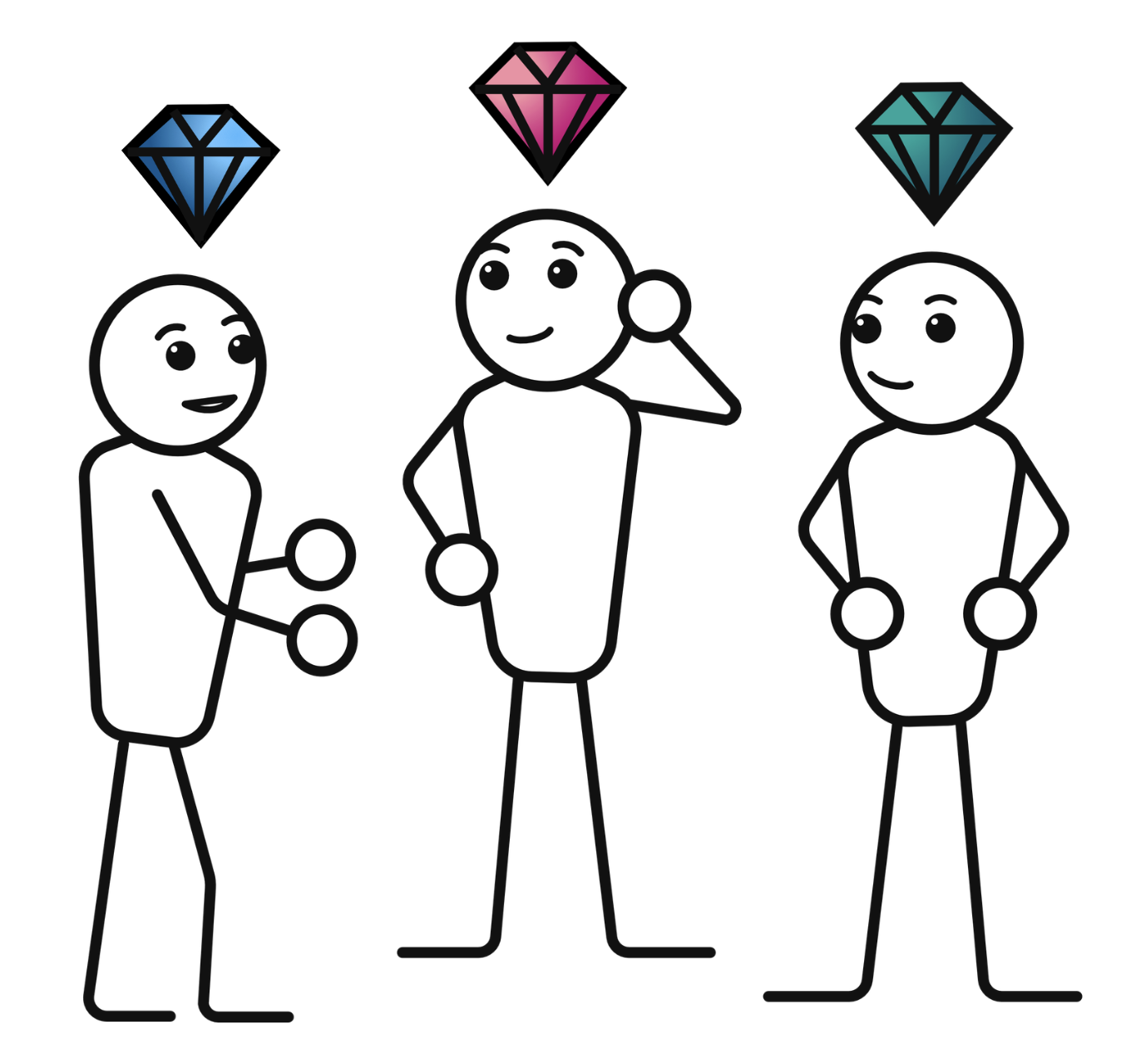
Inside an organization, relational health is functional. It shapes how work gets done. And in today’s labor market, relational health also differentiates one workplace from another.
Talented contributors pay attention to the quality of their work experience. They notice whether collaboration feels generative or draining, whether everyday interactions support focus and learning, and whether their relationships at work help or hinder their professional development.
Organizations that invest in relational competence signal what kind of work life they offer. This shows up in how employees talk about their workplace to peers, family, and professional networks—and in who chooses to stay, who chooses to leave, and who opts in next.
Relational health shapes outcomes at every level of work:
Individually, it affects focus, engagement, and the ability to develop leadership capacity without burning out.
In teams, it cultivates group flow—the enjoyable, effortless, yet highly productive state of collaboration.
Organizationally, it compounds into momentum or relational debt.
In the labor market, it becomes a differentiator that affects attraction, retention, and resilience.
This is why relational health isn’t downstream from the work. It’s upstream of it. It isn’t an extra layer added once strategy, systems, and incentives are in place; it’s part of the infrastructure that allows those investments to function as intended.
Relational competence is not determined by personality or culture alone. It’s learnable. Relational communication practices do more than help us convey information; they help us make how we work together both more enjoyable and more effective.
MetaRelating provides education, facilitation, and coaching—grounded in research and practice—to help individuals and teams build the conversational capacities that enable healthier working relationships.
Beyond the organizational case, there’s a human one as well. The health of our relationships shapes our mood, energy, and outlook wherever we are. And research increasingly links this to long-term well-being and resilience. Work, after all, is where many of us spend most of our relational lives.
Relational health sits at the intersection of accomplishment, collaboration, and well-being.
As work grows more complex and interdependent, tending to relational health isn’t a luxury. It is part of how organizations perform, how people develop, and how work remains human while meeting real demands.
