
Stay Connected
Sign up to receive our newsletter straight to your mailbox.

Thank you! Your submission has been received!
Oops! Something went wrong while submitting the form.


You prepared for the conversation. You thought through your words, steadied your tone, reminded yourself to stay present. You did everything "right." And when it was over, you walked away feeling flat—disappointed that nothing had changed.
It's easy to blame timing. Or assume the other person just wasn't receptive. It's even easier to blame a communication framework that you're trying to use, say MetaRelating, for example. Maybe you share a belief common among self-aware people: If I'm authentic and honest, that's enough.
It isn't.
Authenticity without the relationship in mind can still miss the mark. It can even harm. You can be completely honest and completely self-oriented at the same time. You can speak your truth in a way that serves your need to be heard while neglecting what the interaction is doing to the connection between you.
What's missing in these moments isn't honesty. It's orientation.
The real issue isn't what you said. It's where you were coming from. Your structure may have been flawless. Your authenticity might have been fully online. But what was missing was a genuine intention toward something good, not just for yourself, but for the other person and for the relationship itself.
Over the holidays one year, my sister and I slipped into a familiar dynamic. Sharp words, defensiveness, rising tension. At one point, I noticed she was holding back tears.
I paused. "Hey, we can take a moment and come back to this later if it still feels important."
She took a breath. "I know I'm upset, but I want to keep going. I really want to understand what's happening."
Our entire conversation shifted. We continued slowly and carefully. What began as a defensive clash became one of the more meaningful interactions we've ever had.
Something changed in that moment, that was more than just words—it was our orientation.
What my sister and I found our way into has a name in my framework: inclusive purpose.
Inclusive purpose is an internal orientation toward something good emerging—for you, for the other person, and for your relationship itself. This is more than just "both people being considered." What we say and how we say it has implications for our ongoing relationship. It can be served or neglected, strengthened or damaged.
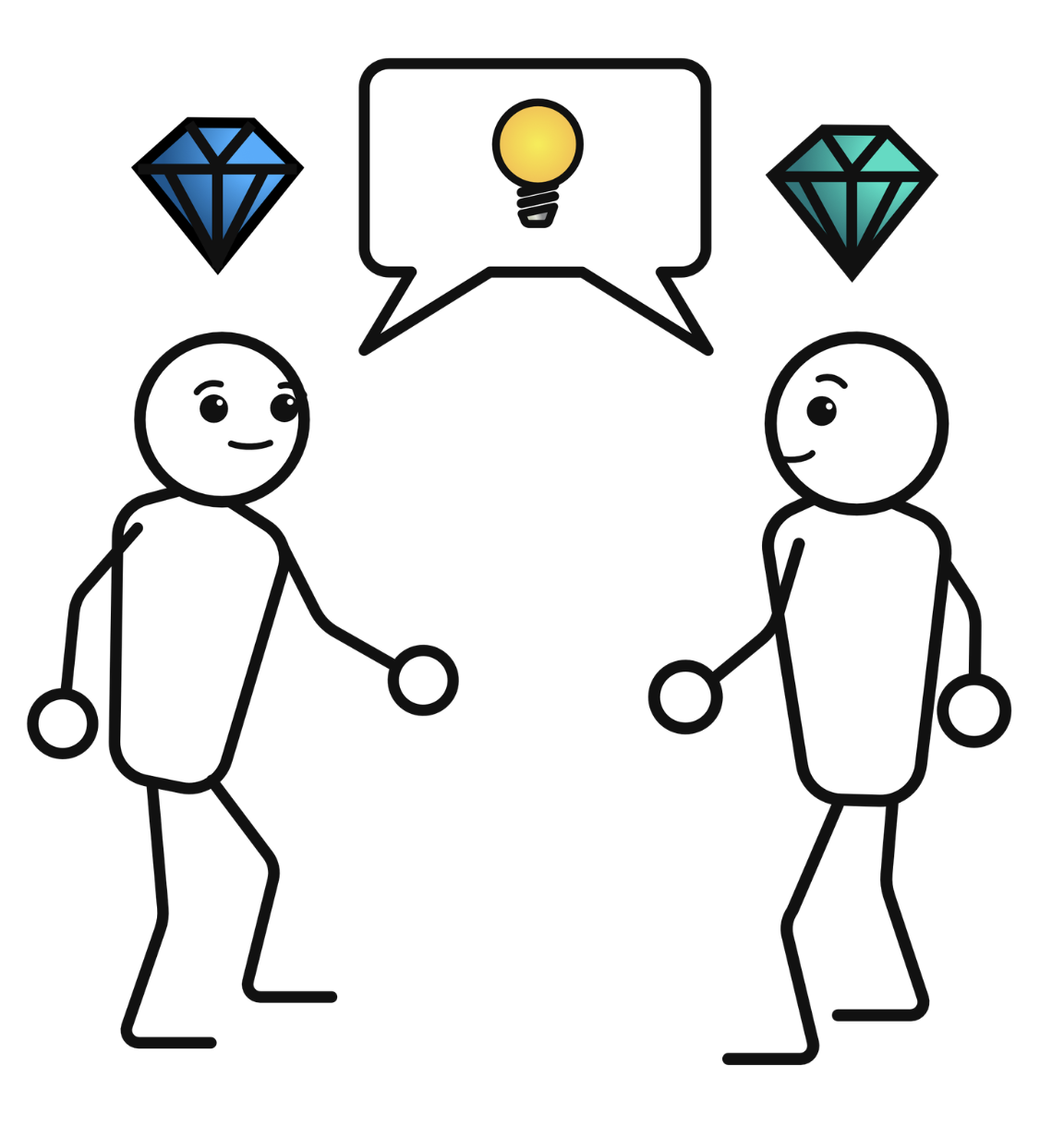
Good communication has structure—protocols, techniques, word choices. Think of this like a circuit: the protocols that give shape to an interaction. But the point is to turn on the light, so to speak. The purpose is what you're trying to power: a conversation that serves you, them, and the relationship between you.
If inclusive purpose is what you're trying to power, inclusive intention is the current—your active, real-time energy flowing through the structure.
Without current, a circuit sits dark. Unless your intention is active, even pristine wording can fall flat. People sense this. It shows up in tone, presence, pacing, micro-expressions. The same words, "Hey, I want to talk about something," can land as an invitation or a threat depending on the energy behind them. Your listener tunes to that energy before they process what you've said.
Research on emotional leakage confirms what most of us already know intuitively: your internal orientation communicates whether you intend it to or not.
My sister's willingness to stay oriented toward understanding—even while upset, even while tears were close—was the current that brought our conversation to a different level. She wasn't calm. She wasn't "ready" in some idealized sense. But she could still generate active goodwill toward something beyond herself. That was enough.
What exactly is this "something beyond”? Consider this—a relationship is a living system with a life of its own, not just a backdrop for two individuals pursuing their separate interests. This "relational entity" stops being theoretical and becomes practical the moment you ask a different question. Not “How do I get what I want from this conversation?” but “How is my communication in service of this relationship?”
Before stepping into a difficult conversation, consider how you might phrase things. But this becomes all the more potent when you take the time to feel where you're coming from.
Three prompts can help. They function like tuning forks—revealing whether you're grounded or reactive, open or defended.
What good might be possible for me?
What good might be possible for them?
What good might be possible for our relationship and what we’re creating together?
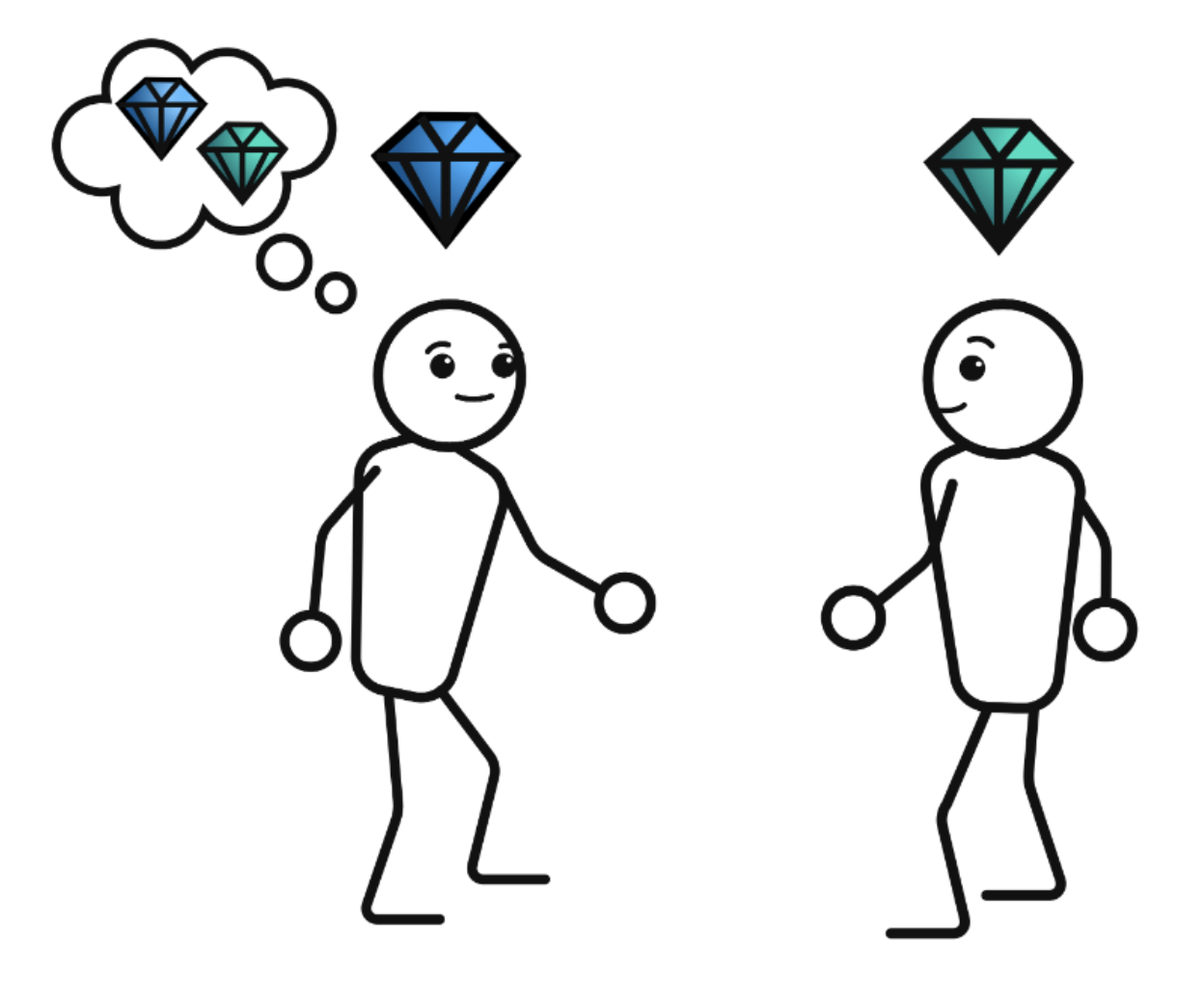
Sometimes goodwill toward the relationship seems hard to access. It can help to think about how your relationship impacts the world—a project, a mission, or a child. Even if you’re not feeling particularly warm toward each other, genuine care for what your relationship serves can be a powerful source of energy.
This isn't a prediction exercise. You're not trying to accurately forecast how the conversation will go. The imagining itself is the shift—generating goodwill before you've even begun. The scenarios you picture might never unfold. That's beside the point.
When you easily connect with inclusive intention, you likely have the bandwidth to engage. Curiosity and goodwill are accessible. But if you struggle to imagine anything good for the other person or the relationship, that struggle is likely a signal that you’re too tired, too stressed, or too activated to show up well.
The best move in that case is to wait. Pushing ahead with self-oriented "authenticity" often does more harm than pausing would.
This reframes the question from “Am I prepared to say this well?” to “Am I ready to mean this?”
Readiness isn't emotional neutrality. It's the willingness to hold inclusive intention even when you're charged. My sister was upset, but she proceeded anyway—not because she suppressed her feelings, but because she could still orient toward something larger than her upset.
Once you pass the readiness check, your intention needs a doorway into the interaction. That doorway is creating context—making an invitation that lets the other person know what you want to talk about and why it matters, so they can genuinely choose to enter the conversation with you.
This can sound like:
"There's something I'd like to talk about because I want us to stay aligned. Are you open to a conversation now?"
"I'd like to clarify something with you so we understand each other better. Can we check in for a few minutes?"
"I've been feeling some tension, and I want to work through it together, if you're willing."

These are invitations, not scripts. They surface purpose, signal respect for autonomy, and open the door for consent.
Consent includes the possibility of "no." Sometimes the other person isn't ready, doesn't have bandwidth, or just needs some time. This isn't a failure of your intention or your invitation—it's information. Inclusive purpose honors the other person's honest capacity to engage.
Your ability to create context—to make an invitation, establish consent, and keep a conversation on track—all rest on the strength of your inclusive intention.
Creating context is the beginning. Holding it through the conversation is an ongoing practice.
Conversations are rarely smooth. Tension rises. Listening narrows. The current can get blocked. When this happens, a brief pause or simple acknowledgment can get things flowing again:
"We might be getting kind of stuck. I want you to know this matters to me—I want us to find a way through this together."
If you find yourself attempting to override someone's hesitations or outright objections, this might be a sign that you're losing contact with some part of the inclusive purpose you started with. You might say something like:
"I might be pushing something here, and I don't want to do that. Maybe there's another way forward or maybe we pause the conversation."
"It sounds like something here isn't quite working for you? Can you help me better understand where you're coming from? Or would you prefer to pause this conversation and come back to it later?"
Your internal orientation will come through whether you want it to or not. Staying connected to your inclusive intention aligns your words, your tone, and your energy—so your meaning can emerge collaboratively rather than defensively.
That conversation with my sister stayed with me. It wasn't smooth. Familiar patterns kept pulling at us. But her choice reoriented both of us toward our relationship. That's when the conversation went deeper, and made room for everything that followed.
What made it work wasn't her words. It was the energy current running through them.
Activating your inclusive intention is essential to creating context, the gateway skill to all of the communication protocols in the approach I call MetaRelating. This framework treats relationships as living systems that deserve the same intentional care we bring to the people in them. If this resonates, there's more to explore.
